Contested LGBTQI+ Activism, Complex Identities, and Entrenched Norms: The Normative Effects of EuroPride 2022 in Serbia
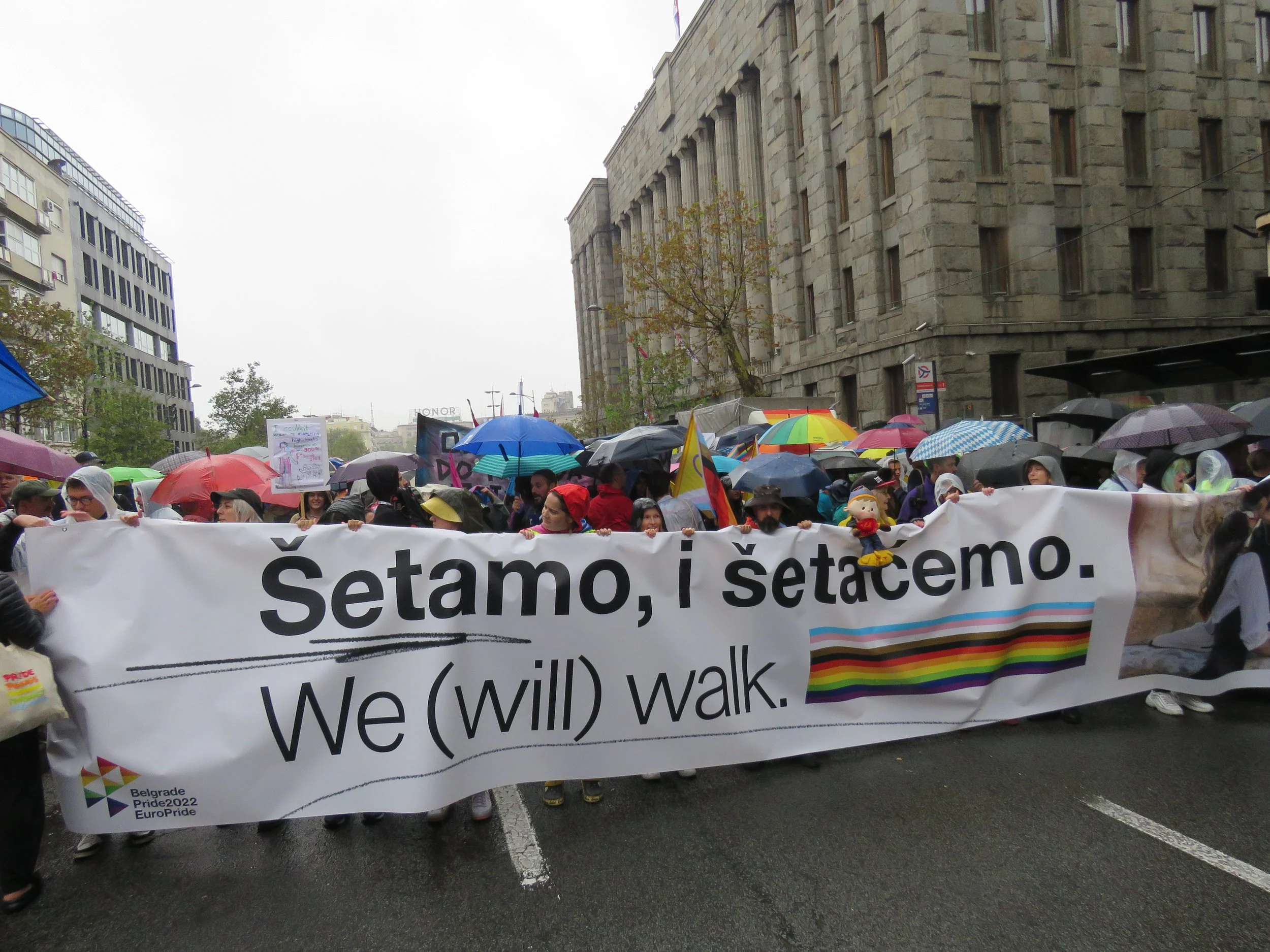
My dissertation project examined why human rights movements working across national borders succeed or struggle to shift social attitudes and norms, with a focus on lesbian, gay, bisexual, transgender, queer, and intersex (LGBTQI+) rights. Drawing on social psychology and international relations, I analyzed how social norm perceptions — perceptions of other people’s attitudes — within national and regional identity groups shape public responses to human rights activism that is explicitly internationally affiliated and contested by domestic opponents. Through three studies (N = 2,897) conducted in Serbia, I investigated the social influence of EuroPride 2022, a pan-European LGBTQI+ Pride event held in the context of highly visible backlash from far-right actors framing sexual and gender minority inclusion as a threat to national identity.
Analysis of survey data collected before EuroPride revealed multiple latent groups with different combinations of Serbian, European, and European Union (EU) identities. I found that the groups who identified more strongly with Europe and the EU were more likely to support gay and lesbian rights in line with perceived European norms, while those with stronger Serbian national identities tended to align with perceived domestic norms opposing such rights. Longitudinal analysis surrounding EuroPride 2022 found that the event had no consistent effects on norm perceptions, public attitudes, or behavioral intentions related to gay and lesbian rights. Synthesizing multiple sources, I identified several plausible explanations for the event’s limited effects, including the presence of conflicting normative signals from different domestic actors, delegitimization of pride activism as a foreign- and elite-driven political exercise, and attitudinal saturation following more than a decade of annual pride parades in Serbia. Overall, the project suggests that the normative influence of transnational human rights activism may be constrained when it is vigorously contested as foreign- or elite-driven and when publics have already been repeatedly exposed to similar mobilization efforts over a long period of time.
Wartime Losses, Threat Perceptions, and Attitudes Toward War and Peace in Ukraine
This project examined how exposure to war-related violence shaped civilians’ support for institutional decisions about continuing the war versus pursuing peace negotiations during active conflict in Ukraine. Drawing on survey data from 1,812 respondents in three eastern Ukrainian cities, the research analyzed how different forms of wartime loss, perceived threat, and social identity influenced attitudes toward war and peace. The findings showed that losses had divergent effects; property loss and displacement were associated with greater support for pursuing peace, while the loss of a friend, neighbor, or colleague was associated with stronger support for continuing the war.
Across analyses, symbolic and realistic threat perceptions emerged as key mechanisms linking wartime experiences to preferences for war or peace, with stronger threat perceptions predicting a preference for continuing the war over pursuing peace. In addition, patterns of Ukrainian, European, and Russian cultural and linguistic identification helped explain variation in these effects, with threat perceptions more strongly associated with support for continued fighting among respondents with lower European and higher Russian cultural-linguistic identification. Together, the findings demonstrate how wartime loss, threat, and identity interact to shape civilian attitudes toward institutional decisions about war and peace during ongoing violent conflict.

Normative Production of Threat and Polarization
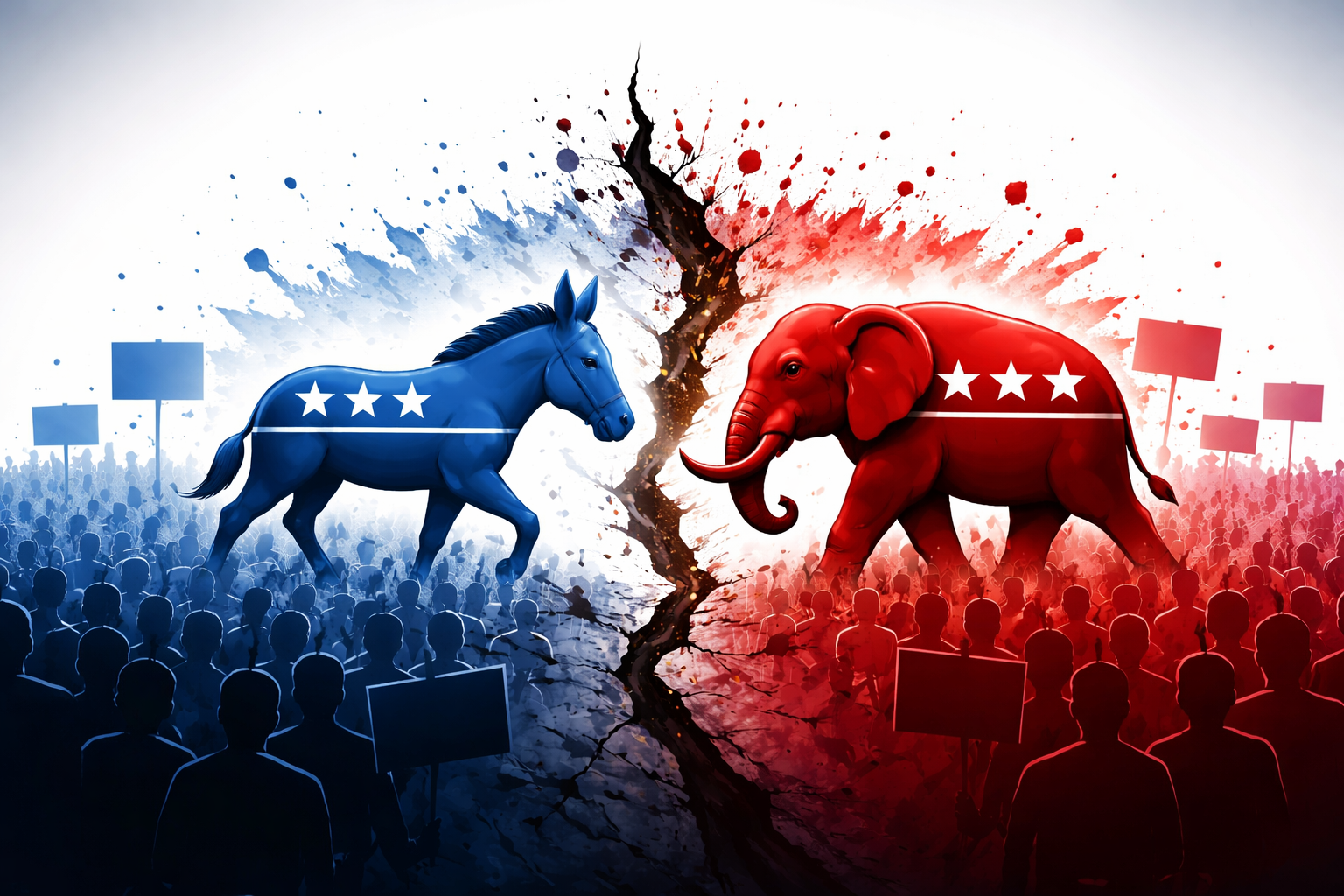
This pilot study explored the role of social norms in driving political polarization. Specifically, we surveyed U.S. Democrats (N = 353) to explore whether social norm perceptions predicted political group boundaries and threats attributed to Republicans. Using factor and regression analysis, we found that norm perceptions predicted perceived moral and symbolic group boundaries and realistic and symbolic threat perceptions attributed to Republicans. This study provide initial insights to be further explored in a larger study encompassing multiple political groups and including experimental manipulations of norm perceptions to examine potential effects on perceived boundaries and threats.
Intergroup Contact, Dialogue, and Democracy
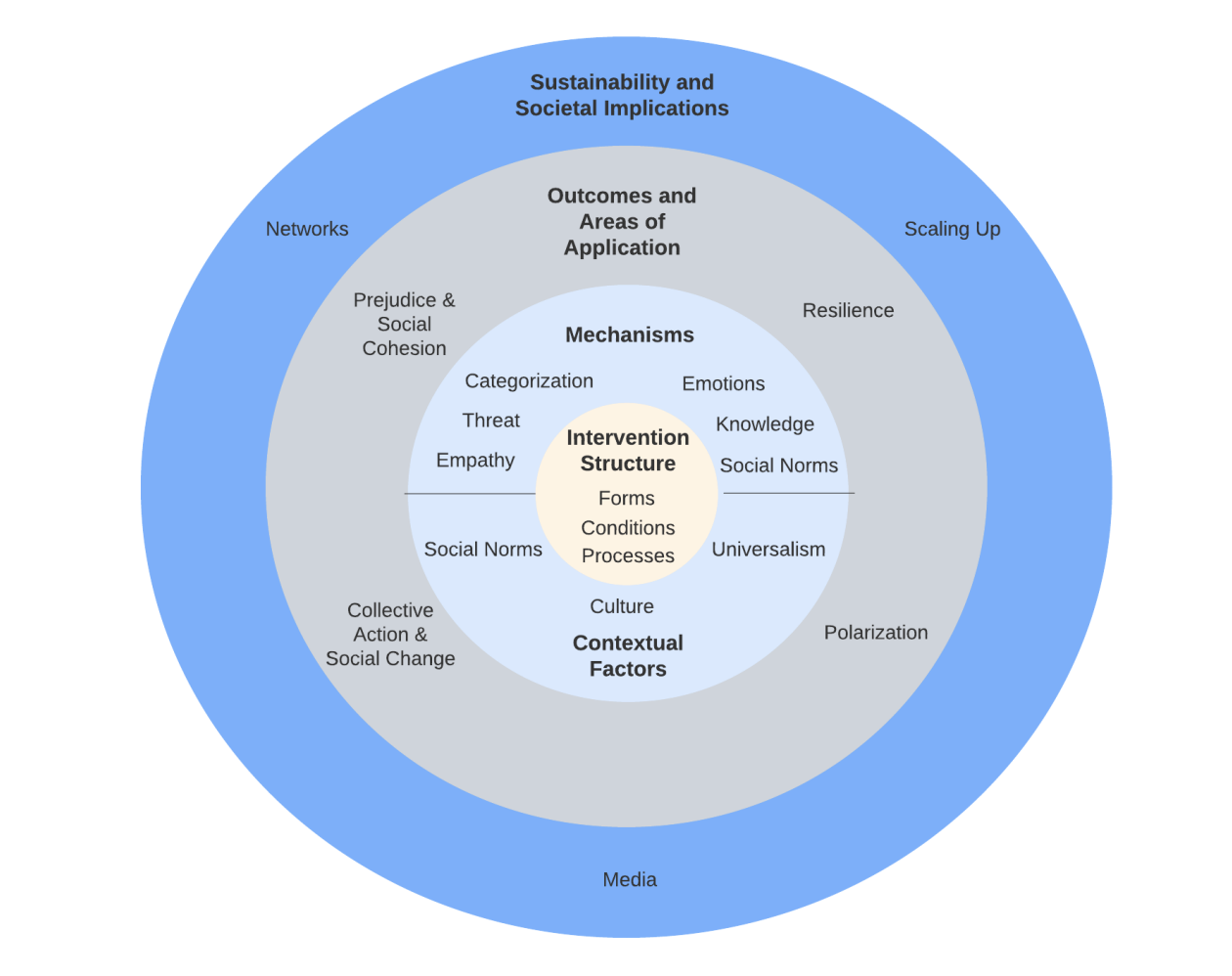
While managing the Reconciling Conflicts and Intergroup Divisions Lab at George Mason University, I collaborated with colleagues to study the link between contact theory — one of the most prominent theories from social psychology about how interaction between antagonistic social groups can reduce prejudice between them — and democratic development. Through an in-depth literature review, workshops with democracy and governance development practitioners, and in-depth field research, the study evaluated the relevance of the contact theory evidence base to democratic development, and gathered evidence on how intergroup contact can facilitate collective action, social inclusion, and cohesion to support more democratic societies. The project produced insights on how to structure intergroup contact and dialogue experiences in ways that reduce threat perceptions, promote perspective-taking, and support cross-group relationship-building, and foster shared identity in line with constructive democratic engagement.
Understanding and Countering Anti-Civil Society Narratives in Tunisia
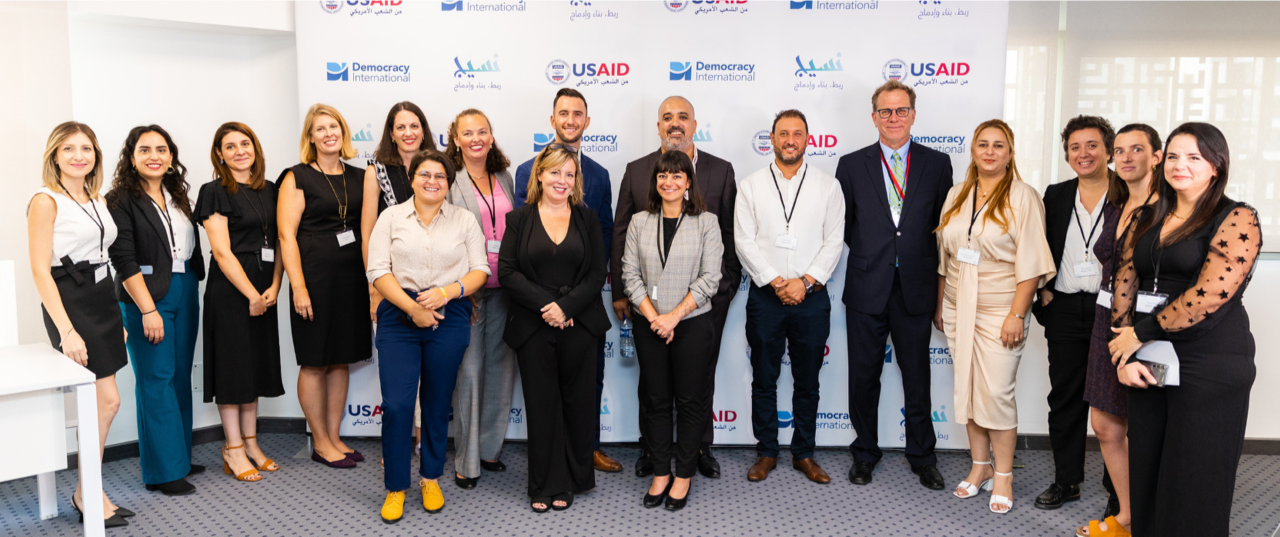
This project examined how authoritarian narratives portraying civil society organizations (CSOs) as foreign or elite-driven threats shape public trust, legitimacy, and civic engagement in Tunisia. Through a multi-method research program conducted with Democracy International, I analyzed how citizens’ perceptions of national identity, foreign influence, and governance intersected with elite efforts to delegitimize domestic civil society under conditions of democratic backsliding.
The research integrated a nationally representative public opinion survey (N = 2,800), focus group discussions, key informant interviews, and a political economy analysis involving civil society leaders, government officials, and experts. Together, these studies mapped public attitudes toward CSOs, identified dominant narratives framing civil society as misaligned with national values, and examined how structural, political, and behavioral factors constrained civic action. In a final phase, the research applied a social and behavioral lens to analyze challenges affecting women’s working conditions in the agricultural sector, illustrating how broader legitimacy dynamics translated into issue-specific barriers to collective action. Overall, the project generated evidence-based insights into how authoritarian narrative strategies undermine civil society legitimacy and how research-informed interventions can respond to these dynamics in polarized democratic contexts.
Evidence-based Democratic Innovation in the United States
This project focused on translating social and behavioral science into evidence-based guidance for democratic reform and election administration in polarized and high-stakes U.S. contexts. Through applied research and synthesis, I examined how voter trust, institutional design, and information environments shape participation and legitimacy, with a particular focus on how democratic innovations are perceived and implemented under conditions of political polarization.
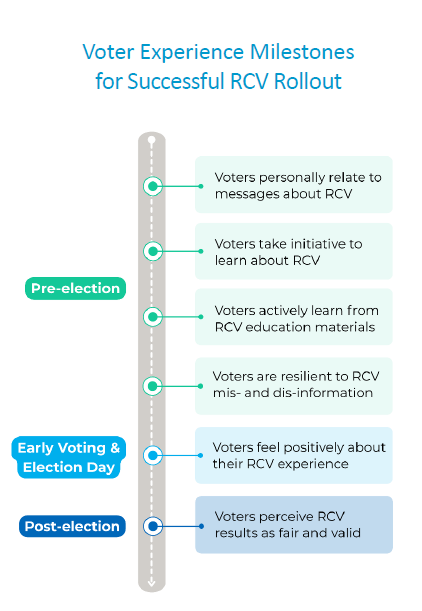
At Democracy International, I led the development of a series of Evidence-to-Action briefs for U.S. election officials and democracy practitioners. This work included an evidence review conducted for the D.C. Board of Elections following voter approval of ranked-choice voting (RCV), which identified key behavioral and institutional risks related to voter understanding, trust, equity, and participation when using RCV for the first time, and outlined research-informed strategies for voter education and outreach. I also co-led the development of a brief on election-related misinformation and disinformation, synthesizing evidence on psychological, social, and structural factors driving the spread of false information and identifying approaches for managing this problem beyond corrective messaging alone, including prebunking, trusted-messenger strategies, and relationship-building to strengthen democratic trust.